8 Important MIPS Reporting Deadlines for 2026

Meeting MIPS reporting deadlines is essential for avoiding Medicare payment adjustments and maintaining compliance with CMS requirements. Missing even one important milestone can affect your reimbursement and create unnecessary administrative challenges. Understanding the reporting timeline helps healthcare providers stay organized and submit accurate data on time.
Why MIPS Reporting Deadlines Matter
A brief introduction explaining why providers should track MIPS deadlines throughout the year and how timely reporting supports compliance, reimbursement, and practice performance.
8 Important MIPS Reporting Deadlines Every Provider Should Know
Knowing these important reporting milestones can help your practice meet CMS requirements and avoid last-minute compliance challenges.
1. Performance Year Begins (January 1)
The MIPS reporting 2026 performance year officially begins on January 1, marking the start of data collection for eligible providers under the medicare quality payment program. Every qualifying patient encounter and quality measure recorded from this date can impact your final score.
2. Quality Measure Tracking Throughout the Year
Quality measures should be tracked consistently instead of waiting until the end of the performance year. Regular monitoring helps providers identify documentation gaps, improve clinical outcomes, and maintain reporting accuracy.
Following a structured MIPS reporting schedule allows practices to correct issues before submission and strengthen their overall performance.
3. Improvement Activities Reporting Period
Improvement Activities generally require providers to complete approved activities over a continuous reporting period, often lasting at least 90 days. Beginning these activities early provides more flexibility and reduces pressure as reporting deadlines approach.
Early preparation helps providers stay aligned with upcoming CMS MIPS deadlines and avoid unnecessary reporting issues.
4. Promoting Interoperability Reporting Timeline
The Promoting Interoperability category measures how effectively providers use certified EHR technology to exchange patient information and support coordinated care. Preparing before the reporting period begins helps ensure all required data is captured accurately.
Staying proactive supports compliance with MIPS reporting requirements and helps providers confidently meet future MIPS reporting deadlines.
5. Performance Year Ends (December 31)
The performance year ends on December 31, making it the final opportunity to complete required documentation and capture eligible quality measures.
practices also perform a medical billing audit before the reporting year closes.
6. CMS Data Submission Window Opens
Once the performance year ends, CMS opens the submission window for providers to report their performance data. This is the time to validate records, review quality measures, and confirm that every reporting category is complete.
A careful review also improves reporting accuracy and minimizes the risk of rejected submissions.
7. MIPS Submission Deadline
The MIPS submission deadline is the final date for submitting performance data to CMS for evaluation. Missing this deadline may result in Medicare payment adjustments and the loss of potential incentive opportunities.
Providers should avoid waiting until the final days to submit their data, as unexpected technical or documentation issues can delay the process.
8. CMS Performance Feedback and Payment Adjustment
After reviewing submitted data, CMS releases performance feedback explaining a provider's MIPS score and its impact on future reimbursement.
It also helps strengthen accounts receivable management and supports future MIPS reporting requirements.
Quick Overview of the 2026 MIPS Reporting Timeline
Understanding the complete MIPS reporting schedule helps providers stay organized throughout the performance year. Rather than focusing only on the final submission date, practices should monitor each milestone to ensure documentation, quality measures, and reporting requirements are completed on time.

Case Study: Why Year-Round MIPS Tracking Matters
A few weeks before the MIPS submission deadline, a multi-provider practice realized several quality measures and Improvement Activities had not been documented correctly. The team faced a race against time to review records, fix reporting gaps, and prepare their submission.
"We thought we had everything covered until we started reviewing the data."
Instead of repeating the same mistake the following year, the practice adopted a structured MIPS reporting schedule, tracked performance monthly, and reviewed documentation throughout the year, not just before deadlines.
The result? Less last-minute stress, fewer reporting errors, and a smoother path toward meeting MIPS reporting deadlines while protecting future Medicare reimbursement.
The lesson: Consistent preparation throughout the year is far more effective than rushing to meet the deadline at the last minute.
Common Reasons Providers Miss MIPS Deadlines
Even practices with experienced billing and compliance teams can struggle to meet MIPS reporting deadlines. Most missed deadlines result from avoidable workflow issues rather than the reporting requirements themselves. Identifying these common challenges early helps practices stay compliant and improve reporting accuracy.
Waiting Until the End of the Performance Year
Delaying documentation reviews until the end of the year leaves little time to identify missing quality measures or incomplete records. Tracking performance throughout the year allows providers to address issues before the MIPS submission deadline approaches.
Incomplete Documentation
Missing or inconsistent clinical documentation can prevent eligible encounters from being counted toward performance measures. Regular documentation reviews help ensure data is complete and supports accurate reporting.
Limited Performance Monitoring
Without routine monitoring, providers may overlook declining quality scores or gaps in Improvement Activities. Reviewing performance regularly allows practices to make timely adjustments and stay aligned with CMS MIPS deadlines.
Technical and EHR Reporting Issues
Problems with certified EHR technology, incorrect data mapping, or software configuration errors can delay reporting and affect data accuracy. Testing reporting systems before submission reduces the risk of technical issues.
Overlooking CMS Updates
CMS may update reporting requirements, quality measures, or submission guidance each year. Staying informed about these changes helps practices maintain compliance and avoid unexpected reporting problems.
Tips to Stay Ahead of MIPS Reporting Deadlines
Share practical advice on maintaining documentation, tracking quality measures regularly, reviewing CMS updates, and using reporting tools to stay on schedule.
Summarize the importance of planning ahead, monitoring performance throughout the year, and meeting every MIPS reporting deadline to maximize Medicare reimbursement and maintain compliance.
Let Atlantis RCM help you simplify MIPS reporting, reduce administrative burden, and stay prepared for every reporting deadline.
FAQS:
What is the MIPS submission deadline?
The MIPS submission deadline is the final date set by CMS for submitting performance data for a reporting year. Providers should verify the official deadline each year to ensure timely submission and avoid payment adjustments.
What happens if I miss a MIPS reporting deadline?
Missing MIPS reporting deadlines can result in negative Medicare payment adjustments and the loss of potential incentive payments. Submitting data on time is essential for maintaining compliance and maximizing reimbursement.
When does the MIPS performance year start?
The MIPS performance year begins on January 1, when eligible providers start collecting and documenting performance data for reporting to CMS.
How can I keep track of MIPS reporting deadlines?
Maintain a reporting calendar, monitor CMS announcements regularly, and review your progress throughout the year. Following a structured MIPS reporting schedule helps ensure important deadlines are not overlooked.
Can professional MIPS reporting support help avoid missed deadlines?
Yes. Professional MIPS reporting support helps practices monitor deadlines, validate documentation, track quality measures, and submit accurate data on time, reducing the risk of compliance issues and payment adjustments.
Our Services


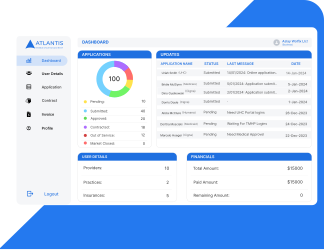
Real-Time Client Report Portal
Access real-time insights into your billing performance with our secure Client Report Portal.Track claims, payments, denials, and KPIs anytime—transparency at your fingertips.
Contact Us