CARC vs. RARC Codes: Understanding the Complete Denial Code System

Every denied claim comes with a reason but not every reason is easy to understand. If your billing team only looks at whether a claim was paid or denied, you could be missing the insights needed to prevent future denials.
Understanding CARC vs. RARC Codes helps uncover why claims are adjusted, what additional information payers require, and how recurring billing issues can be resolved before they impact your revenue. When used together, these codes become powerful tools for reducing denials, improving reimbursements, and strengthening your revenue cycle.
Why Understanding Denial Codes Matters?
Claim denials are a normal part of healthcare billing, but repeated denials usually indicate something more than a simple billing mistake.
Every denied or adjusted claim contains valuable information that explains what happened during payer review. When these explanations are ignored, billing teams often correct the claim without addressing the underlying issue, allowing the same problem to occur again.
Understanding the denial code system helps practices move beyond reactive billing. It provides the information needed to improve documentation, coding accuracy, payer communication, and reimbursement performance while strengthening the overall healthcare revenue cycle.
What Are Claim Adjustment Reason Codes?
Claim Adjustment Reason Codes explain the primary financial reason behind a payer's decision to deny, reduce, or adjust a claim.
These standardized codes identify why reimbursement differs from the amount originally billed. The explanation may relate to coverage limitations, duplicate claims, patient responsibility, authorization requirements, or billing inaccuracies.
Because they focus on the payment outcome, adjustment reason codes answer one important question:
Why was this claim adjusted?
They provide billing professionals with the starting point for investigating reimbursement issues and determining whether further action is required.
What Are Remittance Advice Remark Codes?
While CARC codes explain "what happened," RARC codes explain "what to do next."
They provide additional details that support the payer's decision, such as missing documentation, requests for clinical information, or claim correction instructions.
"The denial tells you there's a problem. The RARC code tells you where to look."
Ignoring these remarks can lead to repeated denials and delayed reimbursements. When reviewed alongside CARC codes, they help billing teams resolve claims faster and more accurately.
CARC vs. RARC Codes: What Is the Difference?
The easiest way to understand CARC vs. RARC Codes is to think of them as two parts of the same explanation.
Adjustment reason codes identify what happened to the payment.Remark codes explain why additional action or clarification may be necessary.For example, a payer may reduce payment because of a specific adjustment reason while also attaching a remark that explains missing documentation or an administrative requirement.
Reviewing only one code provides an incomplete picture. Together, they give billing teams the information needed to determine the appropriate response and avoid unnecessary claim delays.
Why Both Code Systems Work Together?
Many healthcare organizations focus only on payment amounts when reviewing remittance advice. However, the most valuable information often comes from reading both code systems together.
When billing specialists combine payment adjustments with payer remarks, they gain better insight into recurring denial trends, documentation issues, coding inconsistencies, authorization gaps, and payer-specific requirements.
This approach improves payment posting accuracy while helping organizations strengthen denial management instead of repeatedly correcting the same billing issues.
Where Providers Encounter These Codes
Most billing teams first see these codes after claims have been processed by insurance companies.
They appear within the Electronic Remittance Advice, where payers communicate payment decisions and explain any adjustments made during claim adjudication.
Because remittance files are reviewed every day, they provide a valuable source of operational data. Unfortunately, many organizations treat them only as payment records instead of using them to identify workflow improvements.
When analyzed consistently, denial codes become valuable tools for improving billing performance rather than simply explaining claim outcomes.
Why Providers Often Misinterpret Denial Codes?
One of the biggest challenges in medical billing is assuming every denial requires the same response.
Some claims need corrected coding.Others require additional documentation. Some simply need supporting records, while others reflect payer policy rather than billing errors.Without understanding both adjustment reasons and remark explanations, billing teams may spend valuable time correcting claims that actually require a completely different approach.
This not only delays reimbursement but also increases administrative workload across the billing department.
Common Situations Where CARC and RARC Codes Appear
Healthcare providers encounter denial codes in a wide range of billing scenarios. They may appear when prior authorization is missing, documentation is incomplete, claims contain coding errors, or payer-specific requirements have not been met.
In other cases, these codes explain coordination of benefits issues, duplicate claims, frequency limitations, or services that require additional review before reimbursement.
Recognizing these situations helps billing teams respond with the correct action instead of repeatedly submitting corrected claims that fail for the same reason.
How CARC and RARC Codes Help Reduce Claim Denials
Many organizations focus on correcting denied claims after they occur. While this resolves individual cases, it does little to prevent future denials.
Understanding CARC vs. RARC Codes allows billing teams to identify recurring trends rather than isolated mistakes. If the same codes continue appearing across multiple claims, they often point to larger workflow issues involving documentation, coding, insurance verification, or claim submission.
Using denial code insights to improve internal processes leads to cleaner claims, faster reimbursements, and fewer preventable denials over time.
Common Mistakes Billing Teams Make
One of the biggest mistakes is reviewing only the payment amount while overlooking the explanations attached to the remittance advice.Another common issue is treating every denied claim as a separate problem instead of identifying recurring patterns across multiple claims.
Some organizations also delay reviewing denial codes until accounts receivable begin to increase, making reimbursement recovery more difficult.
Regular analysis of denial trends, supported by medical coding services, helps practices identify process gaps before they affect cash flow.
Best Practices for Interpreting Denial Codes
Improving claim outcomes starts with a consistent approach to reviewing remittance advice.
Billing teams should analyze both code systems together, compare payer feedback with clinical documentation, and identify recurring denial patterns across providers and payers.
Routine staff training, standardized workflows, and periodic Medical Billing Audit reviews also help reduce repeated billing errors while improving overall reimbursement accuracy.
The Role of Denial Codes in Revenue Cycle Management
Denial codes are more than payment explanations; they provide valuable insight into the overall health of the revenue cycle.
Tracking recurring denial reasons helps healthcare organizations improve documentation, strengthen front-end workflows, optimize coding accuracy, and refine claim submission processes.
Over time, these improvements support better financial performance while reducing administrative burden.
Instead of viewing denial codes as technical billing information, providers should use them as performance indicators that guide continuous operational improvement.
Why Every Healthcare Practice Should Understand the Complete Denial Code System
Every claim tells a story, and denial codes explain where that story changed.
By understanding both adjustment reasons and remark explanations, healthcare providers gain greater visibility into payer decisions and the internal processes that influence reimbursement.
This knowledge supports smarter billing decisions, improves communication between departments, and helps practices build stronger, more efficient revenue cycle operations.
The goal is not simply to resolve denied claims, it is to reduce the number of denials that occur in the first place.
Conclusion
Understanding CARC vs. RARC Codes helps healthcare providers identify the reasons behind claim denials and payment adjustments. Using both code systems together improves denial management, supports faster reimbursements, and strengthens the overall revenue cycle.
Ready to Reduce Claim Denials and Recover More Revenue?
Every denial tells a story. Atlantis RCM helps you interpret CARC and RARC codes, uncover recurring denial patterns, and improve claim accuracy before revenue is lost.
Book a Free Revenue Cycle Consultation to uncover opportunities to improve collections and reduce denials.
Our Services


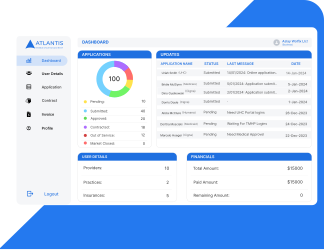
Real-Time Client Report Portal
Access real-time insights into your billing performance with our secure Client Report Portal.Track claims, payments, denials, and KPIs anytime—transparency at your fingertips.
Contact Us