Medical Billing Practices Near Me: Top Compliance Tips to Prevent Payer Audits

If you run a clinic, you know how important medical billing compliance is. One small mistake in your claims can trigger a payer audit, delay payments, or even result in penalties. Many clinics search for “medical billing practices near me†hoping to find local experts who can help, but knowing the right compliance tips can save time and money even before hiring outside help.
Medical billing is more than just submitting a claim. It includes medical coding, documentation accuracy, prior authorization, and adherence to payer rules. Clinics that ignore compliance risk denied claims, lost revenue, and unnecessary stress.
Why Medical Billing Compliance Matters for Your Clinic
Maintaining proper medical billing compliance isn’t optional, it's essential. Payers and Medicare have tightened rules over the years, and audits are becoming more frequent. An audit can catch errors in coding, incomplete documentation, or misused modifiers.
A compliant practice protects your revenue and reputation. Accurate billing ensures faster claim approvals, fewer denials, and better cash flow. Clinics that adopt compliance-focused practices avoid costly rework and reduce the administrative burden on staff.
Tip 1: Keep Documentation Accurate and Complete
One of the main reasons audits happen is missing or unclear documentation. Your charts, notes, and forms should reflect every detail of patient care. Include specifics like procedure codes, clinical notes, and treatment rationale.
If you frequently use multi-layer compression bandages, wound care procedures, or chronic care treatments, documenting each step is critical. Accurate documentation not only prevents denials but also ensures smooth processing by insurance companies.
Even local clinics searching for “medical billing practices near me†can benefit from establishing internal documentation checks before submitting claims.
Tip 2: Stay Up-to-Date with Medical Coding Standards
Accurate medical coding is the backbone of compliant billing. CPT, ICD-10, and HCPCS codes must reflect the actual services provided. Using outdated or incorrect codes is a common audit trigger.
Regular coding reviews, staff training, and compliance checklists help your team stay updated. For clinics, even small errors can multiply across hundreds of claims, making coding accuracy a financial priority.
Tip 3: Prior Authorization Isn’t Optional
Some procedures and treatments require prior authorization from insurers. Skipping this step can lead to claim denials and delayed payments. Your billing team should verify coverage, submit necessary documents, and confirm approvals before care is delivered.
Many practices underestimate the importance of prior authorization. Incorporating this into your compliance process ensures smoother claims and happier patients, while also reducing audit risk.
Tip 4: Perform Internal Audits Regularly
Internal audits are a proactive way to identify gaps before a payer does. Review claims for coding accuracy, documentation, prior authorization, and billing policies. Spotting errors early prevents revenue loss and reduces stress during external audits.
Even small clinics searching for local medical billing practices near me can set up periodic audits with minimal staff. Outsourcing a part of this process to RCM services or compliance consultants can also be cost-effective.
Tip 5: Train Your Staff Continuously
Your billing team is your first line of defense against audits. Regular training in medical billing, coding updates, payer rules, and documentation requirements ensures that errors are minimized.
Consider hosting monthly review sessions or workshops to keep your team sharp. Staff who understand compliance requirements can catch mistakes early, prevent claim denials, and maintain a smooth revenue cycle.
Tip 6: Leverage RCM and Billing Technology
Modern RCM services and billing software can simplify compliance. They automatically flag coding inconsistencies, track claim submissions, and alert staff to missing prior authorizations.
Investing in technology reduces manual errors and allows your clinic to focus on patient care while maintaining compliance. Many clinics searching for “medical billing practices near me†find that combining expert support with software delivers the best results.
Tip 7: Partner with Experienced Medical Billing Practices
Even with the best internal processes, partnering with a professional medical billing practice ensures expert oversight. Specialists in compliance and coding can review your claims, optimize workflows, and manage complex submissions.
A local partner who understands payer rules in your area provides peace of mind. Outsourced teams also handle updates to prior authorization, regulatory changes, and documentation best practices.

Conclusion: Protect Your Clinic and Revenue
Medical billing compliance is more than a requirement; it's a strategy to protect revenue, reduce stress, and grow your practice. Accurate documentation, correct coding, prior authorization, internal audits, and staff training are all key steps.
If you want smoother billing, fewer denials, and protection from costly audits, start by looking for medical billing practices near me. Partnering with experts and leveraging technology ensures your clinic stays compliant and profitable.
Take action today: your claims, revenue, and peace of mind depend on it.
FAQ's
Q: What is Revenue Cycle Management in a clinic?
Ans: Revenue Cycle Management (RCM) is the process of managing all financial transactions in a clinic from patient registration to final payment ensuring smooth cash flow.Q: How does Claims Management help prevent denials?
Ans: Claims Management tracks each claim from submission to payment, making it easier to catch errors early and reduce denied or delayed claims.Q: What is Denial Management and why is it important?
Ans: Denial Management involves identifying, tracking, and correcting denied claims to recover revenue and improve billing efficiency.Q: How can a Patient Help Desk improve billing compliance?
Ans: A Patient Help Desk assists patients with billing questions, insurance verification, and prior authorization, reducing errors and improving satisfaction.Our Services


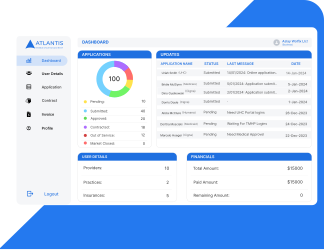
Real-Time Client Report Portal
Access real-time insights into your billing performance with our secure Client Report Portal.Track claims, payments, denials, and KPIs anytime—transparency at your fingertips.
Contact Us