Revenue Cycle Management: A Complete Guide for Healthcare Providers

In today’s healthcare landscape, getting paid is often more complex than providing care. From evolving payer rules to time-consuming administrative tasks, many providers are unknowingly losing thousands each month due to gaps in their revenue cycle management process.
Whether you're a solo practitioner or part of a large medical group, understanding how revenue flows—from the first patient interaction to the final payment—is critical to maintaining a financially healthy practice.
In this guide, we’ll break down what revenue cycle management (RCM) really means, why it matters more than ever, and how you can optimize it to reduce denials, boost collections, and stay focused on what matters most: your patients.
What Is Revenue Cycle Management?
Revenue Cycle Management refers to the financial process healthcare providers use to track patient care episodes from registration and appointment scheduling to the final payment of a balance. It includes everything from eligibility verification to coding, billing, collections, and reporting.
In simple terms, RCM ensures that healthcare providers get paid correctly and on time for the services they deliver.
Why Revenue Cycle Management Matters in Healthcare
RCM is more than a billing process, it's the foundation of a healthcare organization’s financial viability. An optimized revenue cycle can lead to:
-
Improved cash flow
-
Reduced claim denials
-
Better patient experience
-
Increased financial transparency
-
Enhanced regulatory compliance
Without a strong RCM system, providers face delayed payments, revenue leakage, and administrative burnout.
Key Stages of the Revenue Cycle
Here’s a breakdown of each step involved in RCM:
1. Patient Scheduling and Registration
Accurate intake of patient demographics and insurance details sets the foundation for billing. Errors here can cause downstream claim rejections.
2. Insurance Verification
Before services are rendered, it’s critical to verify coverage, co-pay, and pre-authorization needs. This minimizes patient surprise bills and denied claims.
3. Charge Capture
All services performed must be captured correctly. Missed charges directly translate to revenue loss.
4. Medical Coding
ICD-10 and CPT codes translate clinical documentation into billable data. Accurate coding is vital for compliance and reimbursement.
5. Claim Submission
Once coded, claims are submitted to payers. Submitting clean claims reduces delays and improves acceptance rates.
6. Payment Posting
Payments received from insurance and patients are posted into the system, along with any contractual adjustments.
7. Denial Management
Claims that are denied require immediate review, correction, and resubmission. A proactive denial management system prevents future issues.
8. Patient Collections
Post-insurance billing must be clear and accessible to patients, with convenient payment options and proper follow-up.
9. Reporting and Analytics
RCM systems offer financial insights such as collection rates, aging reports, and denial trends. This helps providers make informed decisions.
Common Challenges in RCM
Many healthcare providers struggle with the following RCM pain points:
-
High claim denial rates
-
Lack of trained coding professionals
-
Incomplete documentation
-
Delayed patient payments
-
Regulatory complexity (e.g., HIPAA, CMS rules)
-
Poor EHR integration
-
Inefficient internal billing teams
Tackling these issues requires a blend of automation, staff training, and third-party expertise.
Benefits of Optimized Revenue Cycle Management
When done right, RCM leads to measurable improvements:
- Faster Payments: Claims get approved faster when processes are accurate and timely.
- Fewer Denials: Clean claims and proper documentation lower denial rates.
- Higher Patient Satisfaction: Transparent billing and reduced errors build trust.
- Stronger Compliance: Staying updated with payer and government regulations avoids audits and penalties.
- Better Resource Allocation: Staff can focus more on care, less on chasing payments.
Should You Outsource Your RCM?
For many practices, outsourcing revenue cycle management to a third-party company offers better ROI than keeping it in-house. Here's a quick comparison:

-
You’re facing high denial rates
-
You lack trained billing staff
-
Your reimbursements are delayed
-
You want to grow without increasing admin costs
What to Look for in an RCM Partner
Choosing the right RCM company is key to your practice’s financial performance. Look for:
-
HIPAA-compliant systems
-
Certified coders and billing experts
-
Experience with your specialty
-
Real-time analytics and reporting
-
Integration with your EHR or PMS
-
Transparent pricing
-
U.S.-based support (for regulations and time zones)
The Role of Technology in RCM
Modern RCM tools use automation and AI to streamline operations:
-
AI-based coding assistants to reduce human error
-
Real-time eligibility checks
-
Automated claim scrubbing
-
Patient payment portals for easy collections
-
Data dashboards to track KPIs
Cloud-based platforms also improve accessibility and data sharing between front and back offices.
Future Trends in Revenue Cycle Management
The RCM industry continues to evolve. Trends to watch:
-
Value-based care models: Linking reimbursement to patient outcomes
-
AI-driven denials management: Predicting and correcting errors before submission
-
Consumerization of healthcare: Patients expect price transparency and easy payment options
-
End-to-end RCM integration: More providers seek a unified platform across scheduling, billing, and reporting
Final Thoughts
Revenue Cycle Management isn’t optional — it’s essential. A reliable, tech-powered RCM process enables you to focus on delivering care while ensuring consistent, timely revenue.
Whether you choose to keep billing in-house or outsource it, investing in proper RCM tools, training, and support will pay off in reduced errors, faster payments, and a healthier bottom line.
Looking to improve your billing performance?
Contact Atlantis RCM today for a free RCM audit or schedule a demo with our specialists.
FAQ's
1. What is the best revenue cycle management company?
The best RCM company is one that aligns with your specialty, payer mix, and practice size. Look for companies with certified coders, transparent reporting, proven denial management, and experience in your field (e.g., psychiatry, cardiology). Atlantis RCM, for example, is trusted by providers nationwide for its accuracy, compliance, and specialty-specific support. Always check client reviews, case studies, and performance metrics before deciding.
2. How can I improve my revenue cycle management process?
To improve your RCM process, focus on clean claim submission, accurate coding, prompt eligibility checks, and consistent A/R follow-up. Use data-driven audits to find bottlenecks and fix recurring denials. Train staff regularly and ensure your EHR or billing software is fully optimized. Many practices boost efficiency by outsourcing to experienced RCM companies who can handle the full revenue cycle professionally.
3. What does a revenue cycle management company do?
An RCM company manages your entire billing process—from patient registration and insurance verification to claim submission, denial follow-up, payment posting, and reporting. They ensure coding accuracy, reduce denials, improve cash flow, and maintain compliance with payer and HIPAA regulations. The goal is to maximize reimbursement and let providers focus on patient care, not billing.
4. How much does revenue cycle management cost?
RCM services usually charge a percentage of your monthly collections—typically between 3% and 9%, depending on specialty, volume, and service scope. Some companies offer flat rates or hybrid models. Though there's a cost, outsourcing often saves money by reducing denials, speeding up payments, and cutting internal administrative expenses.
5. What are the key steps in the revenue cycle?
The main steps in RCM include:
- Patient registration
- Insurance verification
- Charge capture
- Medical coding
- Claims submission
- Payment posting
- Denial management
- A/R follow-up
Each step must be handled accurately and efficiently to avoid revenue loss. Regular audits and analytics ensure each phase supports optimal collections.
6. Why do claims get denied in medical billing?
Claims are denied due to common issues like incorrect coding, missing documentation, expired authorizations, or patient ineligibility. Payer policy updates and improper modifiers also trigger rejections. Denials hurt cash flow, so timely identification, appeal, and process improvement are essential. A strong RCM team or partner can reduce denial rates dramatically.
7. What is revenue cycle management in healthcare?
Revenue Cycle Management (RCM) is the process of tracking and managing a patient’s financial journey—from appointment scheduling to final payment. It ensures accurate billing, coding, and timely reimbursement from both payers and patients. Effective RCM keeps your practice financially healthy while supporting compliance and reducing administrative stress.
Our Services


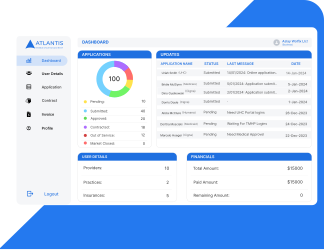
Real-Time Client Report Portal
Access real-time insights into your billing performance with our secure Client Report Portal.Track claims, payments, denials, and KPIs anytime—transparency at your fingertips.
Contact Us