Upcoding and Downcoding in Medical Billing

One incorrect code may look harmless.
But behind that single claim could be delayed payments, payer audits, revenue loss, compliance issues, or even allegations of fraud. Many practices focus on seeing more patients while overlooking what happens after documentation reaches the billing team.
The reality is that upcoding and downcoding in medical billing affects practices of every size. Whether intentional or accidental, coding mistakes create financial risks that often remain invisible until claims begin getting denied or auditors start asking questions.
So, how do these errors happen, and more importantly, how can your practice stay ahead of them?
Why Small Coding Mistakes Turn Into Big Financial Problems
Every insurance claim tells a story.
The diagnosis, procedures, documentation, and coding must all align perfectly. When one piece doesn't match, payers notice.
That is why coding accuracy has become one of the biggest priorities in revenue cycle management.
Many providers assume coding issues only occur because of inexperience. In reality, they can happen due to:
Incomplete documentation
Staff shortages
Changing payer guidelines
Outdated coding knowledge
Time pressure during claim submission
The result?
Claims are questioned, reimbursements slow down, and valuable staff spend hours correcting avoidable mistakes.
What Is Upcoding?
Could one billing code put your practice under scrutiny?
Upcoding happens when a claim reports a higher level of service than what was actually provided.
It can result from intentional misuse or simple documentation and coding errors. Either way, it can trigger payer reviews, payment disputes, and compliance concerns.
Example: A patient receives a routine office visit, but the claim is submitted as a complex evaluation. The payer may question the claim and request supporting documentation.
A higher code may mean higher payment but inaccurate coding can cost far more in the long run.
What Is Downcoding?
What if your practice is getting paid less for services you actually provided?
Downcoding happens when a service is coded at a lower level than what was actually performed.
It often happens when documentation lacks detail, key clinical information is missing, or coders choose a lower code because the records don’t clearly support a higher level.
Example: A provider performs a complex office visit, but the claim is submitted as a basic visit. The claim gets paid but the practice loses revenue.
One small coding gap may seem harmless. Repeated across hundreds of claims, it can become a major revenue leak.
Upcoding vs. Downcoding: What's the Real Difference?

The common issue isn't whether codes are higher or lower.
It's whether they accurately reflect the patient's medical record.
Case Study: How One Documentation Gap Cost a Practice Thousands
What if your practice is losing revenue without seeing fewer patients?
A busy family medicine clinic noticed collections declining even though patient volume remained steady.
An internal coding audit revealed the problem: providers were documenting complex visits, but claims were being submitted with lower-level codes because key documentation elements were missing.
After targeted documentation training, revenue improved, coding accuracy increased, and fewer claims needed correction.
Nothing changed in patient care. The coding process did.
This is why practices turn to experienced medical coding services before small documentation gaps become major revenue leaks.
Why These Errors Are Becoming More Common
Healthcare is becoming more complex every year.
Coding guidelines evolve.
Payers update policies.
Documentation requirements continue to grow.
Meanwhile, providers are expected to see more patients while spending less time on paperwork.
That combination creates the perfect environment for the medical coding process.
Without regular education and quality reviews, even experienced teams can begin submitting inaccurate claims without realizing the long-term financial impact.
How Audits Catch Problems Before Payers Do
Most providers don't discover coding problems on their own.
Insurance companies usually identify patterns first.
That's why proactive coding audits are no longer optional; they're a critical safeguard for both revenue and compliance.
A quality audit doesn't simply point out mistakes. It helps practices understand why those mistakes occurred and how to prevent them from happening again.
A strong audit process typically reviews:
Documentation supporting billed services
CPT and diagnosis code selection
Modifier usage
Trends in denied insurance claims
Provider-specific coding patterns
Instead of reacting after payments are delayed, practices can fix issues before they affect cash flow.
The Financial Impact Goes Beyond One Claim
Think one coding error only affects one payment? Think again.
A single inaccurate claim can reveal a larger pattern when similar claims have been submitted for months or even years.
For example, if the same documentation issue affects 50 claims, the practice could face increased claim denials, delayed payer reimbursements, higher accounts receivable, and more staff time spent correcting claims.
Undercoded services can also create lost revenue, while payer reviews may lead to repayment requests on previously paid claims.
The real cost isn’t one inaccurate claim. It’s the financial chain reaction that follows.
Compliance Is More Than Following Rules
Many providers associate healthcare compliance with avoiding penalties.
In reality, compliance protects every part of the revenue cycle.
Accurate coding helps create consistency between clinical documentation, billing, and payer expectations. It also demonstrates that services billed accurately reflect the care patients received.
Practices with strong compliance programs often experience:
Cleaner claim submissions
Faster payment processing
Better audit readiness
Greater payer confidence
Improved operational efficiency
Compliance isn't just about avoiding problems.
It's about building a billing process that works reliably every day.
Technology Can Reduce Human Error But It Can't Replace Expertise
Modern billing software has transformed coding workflows.
Many systems now flag missing documentation, inconsistent diagnosis codes, and possible CPT conflicts before claims are submitted.
These tools improve efficiency, but they still depend on accurate provider documentation and knowledgeable coding professionals.
Technology works best when paired with:
Regular coder education
Updated payer guidelines
Documentation improvement programs
Internal quality reviews
Experienced billing specialists
The combination of skilled professionals and smart technology creates the strongest defense against preventable coding mistakes.
Five Practical Ways to Improve Coding Accuracy
Improving coding doesn't require a complete overhaul. Small, consistent improvements often deliver the biggest results.
1. Strengthen Clinical Documentation
Clear documentation supports every billed service. When notes tell the complete clinical story, selecting the correct code becomes much easier.
2. Invest in Ongoing Staff Education
Coding rules change frequently. Regular training helps providers and coders stay current with industry updates.
3. Perform Routine Internal Reviews
Reviewing claims before submission helps identify patterns that might otherwise remain hidden.
4. Encourage Provider-Coder Communication
Questions answered early prevent corrections later. Strong collaboration improves coding consistency across the practice.
5. Partner With Experienced Billing Professionals
Reliable medical billing services provide another layer of quality control by reviewing claims, monitoring payer trends, and identifying opportunities for process improvement.
Don't Wait Until Revenue Starts Declining
What if your revenue problem starts long before your collections drop?
With Upcoding and Downcoding in Medical Billing, the warning signs can stay hidden while payments continue arriving and claims keep processing.
Then something changes. Collections slow down. Denials increase. Medical billing audit requests appear. By the time these signals become obvious, months of revenue may already be affected.
The smarter approach is to catch the problem early by continuously monitoring coding quality, documentation, and billing performance.
Don’t wait for declining revenue to tell you something is wrong. Find the leak before it grows.
The Bottom Line
Upcoding and Downcoding in Medical Billing is about much more than selecting the correct code. It influences compliance, revenue, operational efficiency, and the financial health of an entire practice. Whether errors lead to overbilling risks or silent revenue loss, both can have lasting consequences if left unaddressed.
Building a stronger coding process starts with accurate documentation, ongoing education, regular audits, and expert oversight. These proactive steps reduce risk while creating a healthier revenue cycle and more predictable financial performance.
Keep Your Coding and Revenue on Track
Coding mistakes shouldn’t decide how much your practice earns.
With Atlantis RCM, you can turn coding gaps into stronger claims, fewer denials, and a healthier revenue cycle. From expert claim reviews and coding support to a complete revenue assessment, our team helps uncover what’s holding your revenue back.
Your practice should focus on patients not chasing preventable revenue leaks.
Find Your Revenue Gaps → Schedule Your Free Consultation with Atlantis RCM
FAQs
1. What is upcoding and downcoding in medical billing?
Upcoding means billing for a higher-level service than provided, while downcoding means billing for a lower-level service. Both can affect coding accuracy, revenue, and healthcare compliance.2. What are the risks of medical coding errors?
Medical coding errors can cause claim denials, payment delays, revenue loss, audits, and compliance concerns. Repeated errors can create larger financial problems over time.3. How can coding audits prevent billing problems?
Coding audits identify inaccurate CPT codes, documentation gaps, modifier issues, and coding patterns before they become costly payer problems.4. How does incorrect coding affect revenue cycle management?
Incorrect coding can increase claim denials, accounts receivable, and correction work while causing undercoded services to generate less revenue than they should.5. Can medical billing services improve coding accuracy?
Yes. Experienced medical billing services can review claims, monitor coding trends, support documentation improvements, and help providers maintain accurate and compliant billing processes.Our Services


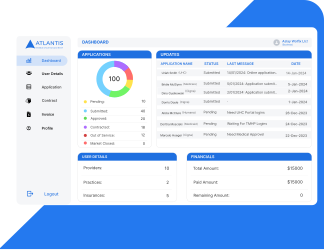
Real-Time Client Report Portal
Access real-time insights into your billing performance with our secure Client Report Portal.Track claims, payments, denials, and KPIs anytime—transparency at your fingertips.
Contact Us