The #1 KPI Most Medical Practices Never Monitor

Many healthcare practices measure collections, reimbursements, and patient volume, but these numbers only tell part of the story. One overlooked KPI quietly determines how efficiently your revenue cycle management process performs and how consistently revenue flows into your practice.
Ignoring this metric can lead to hidden revenue leaks, higher denial rates, delayed reimbursements, and unnecessary administrative work, ultimately weakening your practice's overall financial performance.
Why KPIs Matter More Than Ever in Medical Billing
Healthcare has become increasingly data-driven, making performance measurement essential for financial success. Yet many organizations still focus on end results instead of the operational metrics that influence those outcomes.
The right medical billing KPIs provide early warning signs before problems affect cash flow. Rather than reacting to declining revenue, practices can identify inefficiencies early and make informed decisions that improve long-term performance.
The Most Overlooked KPI Is First-Pass Claim Acceptance Rate
While many practices closely watch collections and reimbursement totals, the first-pass claim acceptance rate often receives far less attention. This metric measures the percentage of claims accepted by payers on the first submission without requiring corrections or resubmission.
A high first-pass acceptance rate indicates that coding, documentation, eligibility verification, and claim submission processes are working together effectively. When supported by efficient practice management services, it also reflects the overall health of your billing operations, not just individual claim accuracy.
Why Collections Alone Don't Tell the Whole Story
Collections may appear healthy even when billing inefficiencies exist behind the scenes. A practice might eventually receive payment, but delayed claims, repeated corrections, and multiple appeals often increase administrative costs and slow cash flow.
Looking beyond revenue totals helps leaders understand how efficiently revenue is being generated. Strong financial performance depends not only on how much is collected but also on how quickly and accurately payments are received.
Every Reworked Claim Comes at a Cost
Every corrected claim requires additional staff time, payer communication, and administrative effort. These hidden costs often go unnoticed because they are spread across daily operations rather than appearing as direct financial losses.
Improving first-pass acceptance reduces unnecessary rework, allowing billing teams to focus on higher-value activities that support stronger medical billing performance and better patient service.
Clean Claims Build a Healthier Revenue Cycle
Submitting accurate claims the first time creates a positive ripple effect throughout the entire billing process. Faster payer acceptance means quicker reimbursements, fewer denials, and improved financial predictability.
Organizations that consistently submit clean claims often experience stronger healthcare revenue cycle KPIs, improved staff productivity, and healthier cash flow throughout the year.
Small Errors Create Big Revenue Problems
Many first-pass failures begin with small mistakes that appear insignificant. Missing modifiers, outdated insurance information, incomplete documentation, or eligibility errors can all prevent claims from being accepted immediately.
Although each error may seem minor, repeated issues across hundreds or thousands of claims create substantial delays and unnecessary revenue loss. Preventing these errors starts with consistent workflows and regular quality reviews.
Documentation Plays a Bigger Role Than Most Providers Realize
Accurate documentation supports much more than compliance. It provides the foundation for proper coding, demonstrates medical necessity, and ensures claims meet payer requirements before submission.
When providers and billing teams maintain consistent documentation standards, they reduce claim corrections while strengthening overall revenue cycle metrics.
Technology Can Improve Accuracy But It Can't Replace Process
Modern billing platforms automate many repetitive tasks and identify common errors before claims are submitted. These tools improve efficiency, but technology alone cannot solve every billing challenge.
Strong internal workflows, knowledgeable staff, and ongoing process improvement remain essential. Technology works best when combined with experienced teams that understand changing payer expectations.
What Is a Good First-Pass Claim Acceptance Rate?
Although benchmarks vary by specialty and payer mix, most high-performing healthcare organizations aim for a first-pass claim acceptance rate of 90% or higher. Reaching this benchmark indicates that claims are being prepared accurately before submission, reducing delays and unnecessary follow-up.
Rather than comparing performance only with industry averages, practices should focus on continuous improvement. Even a small increase in first-pass acceptance can translate into faster reimbursements and lower administrative costs over time.
Why This KPI Improves Every Other Revenue Metric
The first-pass claim acceptance rate doesn't operate in isolation; it influences nearly every aspect of the billing process. When more claims are accepted the first time, denial rates decline, reimbursement timelines improve, and billing teams spend less time correcting avoidable errors.
As this KPI improves, organizations often see better cash flow, stronger AR management services , and a more efficient revenue cycle management process. One metric can create measurable improvements across the entire financial operation.
Common Reasons First-Pass Claim Rates Decline
Several operational issues can lower first-pass acceptance without immediately drawing attention. Inaccurate patient demographics, insurance eligibility errors, incomplete documentation, coding inconsistencies, and missing prior authorizations are among the most common contributors.
These challenges are often preventable. Regular workflow reviews, staff education, and quality assurance processes help identify recurring issues before they begin affecting reimbursement performance.
Build a KPI Dashboard That Supports Better Decisions
Successful healthcare organizations don't monitor dozens of metrics; they focus on the few that provide meaningful insights. Alongside first-pass claim acceptance, leaders should also review claim denial rates, accounts receivable days, net collection rates, and reimbursement turnaround times.
A focused dashboard makes it easier to identify trends, measure operational improvements, and prioritize areas that have the greatest financial impact.
Review KPIs Consistently Not Just When Problems Arise
Many practices evaluate billing performance only after revenue begins to decline. By then, avoidable issues may have already affected cash flow, staff productivity, and patient satisfaction.
Reviewing KPIs monthly allows leadership to detect trends early, make proactive adjustments, and maintain consistent financial performance throughout the year. Preventive monitoring is far more effective than reactive problem-solving.
Turning Data Into Action
Collecting performance data is only valuable when it leads to measurable improvements. Billing reports should guide operational decisions, identify training opportunities, and support process optimization across departments.
Practices that act on KPI insights rather than simply reporting them are better positioned to reduce denials, improve efficiency, and get more value from their medical billing services.
Conclusion
The strongest healthcare organizations don't measure more KPIs, they measure the right ones. Monitoring the first-pass claim acceptance rate provides valuable insight into billing efficiency, helping practices reduce denials, improve cash flow, and strengthen long-term financial performance.
Partner with Atlantis RCM
Atlantis RCM helps healthcare providers track the KPIs that matter most, optimize billing performance, and maximize every reimbursement opportunity.
People Also Read
Prior Authorization Delays: The New Billing Bottleneck in the U.S.
Prior authorization delays can disrupt cash flow, increase claim denials, and create unnecessary administrative burdens. Learn why they remain one of the biggest challenges in today's revenue cycle—and how providers can minimize their impact.
DME Billing: The Overlooked Pillar of Healthcare Revenue Integrity
Discover why durable medical equipment (DME) billing plays a critical role in protecting reimbursement. This guide explores common billing challenges, compliance considerations, and strategies to strengthen revenue integrity.
Frequently Asked Questions
1. What is the most important KPI in medical billing?
While organizations monitor several revenue cycle metrics, many experts consider the first-pass claim acceptance rate one of the most valuable because it reflects the accuracy and efficiency of the entire billing process.
2. What is a good first-pass claim acceptance rate?
Most healthcare organizations aim for a first-pass acceptance rate of 90% or higher. Higher rates generally indicate cleaner claims, fewer denials, and faster reimbursements.
3. How often should medical billing KPIs be reviewed?
KPIs should be reviewed at least monthly. Regular monitoring helps identify trends early and allows practices to resolve issues before they impact revenue.
4. Can improving one KPI really affect overall revenue?
Yes. Improving first-pass claim acceptance reduces claim rework, accelerates reimbursements, lowers denial rates, and improves overall revenue cycle efficiency.
5. Which departments influence first-pass claim acceptance?
This KPI depends on collaboration across multiple teams, including front-desk staff, providers, coders, and billing specialists. Accurate information and documentation at every stage contribute to higher acceptance rates.
6. Should small medical practices monitor KPIs too?
Absolutely. Regardless of practice size, tracking key performance indicators helps improve financial visibility, strengthen billing operations, and support sustainable growth.
Our Services


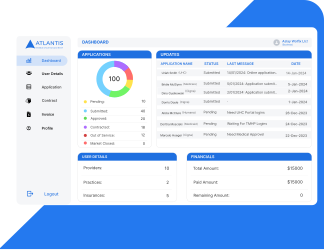
Real-Time Client Report Portal
Access real-time insights into your billing performance with our secure Client Report Portal.Track claims, payments, denials, and KPIs anytime—transparency at your fingertips.
Contact Us