Prior Authorization Delays: The New Billing Bottleneck in the U.S

Prior authorization delays are becoming one of the biggest challenges in U.S. medical billing. Clinics, hospitals, and private practices are facing longer wait times for insurance approvals, which directly affects both patient care and practice revenue. These delays are no longer just minor administrative issues; they have turned into a critical bottleneck in the revenue cycle management process.
Healthcare providers that do not address these delays risk denied claims, slower reimbursements, and frustrated patients. Understanding the causes, impacts, and solutions for prior authorization delays is essential for any practice aiming to maintain smooth cash flow.
What Are Prior Authorization Delays?
Prior authorization is a process required by insurance companies before certain treatments, procedures, or medications can be approved for payment. Although it’s meant to ensure proper care, this step often causes delays in medical coding, slowing down claims processing and overall revenue collection.
These delays can:
Halt cash flow and create financial backlogs
Increase administrative workload for staff
Force patients to reschedule important treatments
In the current U.S. healthcare environment, prior authorization delays are a major barrier to efficient medical billing operations and can negatively affect patient satisfaction.
Why These Delays Have Become a Major Challenge
Prior authorization delays are no longer just minor administrative issues, they have evolved into a major medical billing bottleneck that affects every aspect of revenue cycle management. These delays not only slow down reimbursements but also increase claim denials, frustrate staff, and impact patient care. Understanding the root causes is key to addressing this challenge effectively.
Complex Insurance Policies
Each insurance provider has its own set of requirements, forms, and criteria for approving prior authorizations. The differences between payers can create confusion for staff and increase processing times, making it difficult for practices to submit claims efficiently.
Manual Processes
Many healthcare practices still rely on manual submission and follow-up methods for prior authorizations. These outdated processes are time-consuming and prone to errors, which slows approvals and delays payments, creating a bottleneck in medical claims management.
Staff Shortages
The growing administrative burden of managing prior authorizations requires skilled personnel. Many practices lack sufficient trained staff, forcing remaining employees to juggle multiple responsibilities and delaying approvals even further.
Technology Gaps
Legacy billing systems without automation fail to track, submit, and follow up on authorizations efficiently. Without modern tools, practices struggle to manage high volumes of requests, leading to delays and increased errors in the billing cycle.
High Volume of Requests
With increasing patient numbers and insurance complexity, the sheer volume of prior authorization requests overwhelms many practices. This surge creates backlogs, slows down claim submission, and prolongs the reimbursement timeline.
Inconsistent Payer Communication
Communication gaps between providers and insurance payers contribute significantly to delays. Misplaced documents, unclear instructions, or lack of timely responses from payers can stall approvals, directly impacting the cash flow of the practice.
The Financial Impact on U.S. Practices
Prior authorization delays are not just a procedural issue they have direct financial consequences:
Slowed Cash Flow: Practices wait weeks or even months for approvals, slowing down reimbursements.
Increased Denials: Incorrect or late authorizations often result in rejected claims, requiring resubmissions.
Higher Administrative Costs: Staff must dedicate hours to insurance follow-ups instead of revenue-generating tasks.
Lost Revenue Opportunities: Patients may seek alternative providers if procedures are delayed, reducing patient retention.
The hidden cost of these delays can be staggering, especially for small to medium-sized practices. Addressing this challenge proactively is essential for maintaining operational efficiency and financial health.
How Outsourced Medical Billing Services Can Help
Many U.S. healthcare providers are turning to outsourced medical billing services to solve prior authorization bottlenecks. Professional billing companies specialize in:
Streamlined Prior Authorization
Outsourced billing services use automated systems and experienced staff to ensure prior authorizations are submitted accurately and tracked efficiently. This reduces delays, prevents claim rejections, and improves overall patient satisfaction.
Faster Claims Processing
By handling submissions, follow-ups, and verification, professional billing companies reduce the lag between service delivery and reimbursement. This helps practices maintain steady cash flow and avoid revenue disruptions.
Denial Management
Expert billing teams quickly identify rejected claims and take corrective action. Effective denial management minimizes revenue loss and ensures faster reimbursements for every procedure or service.
Data-Driven Insights
Outsourced providers also offer detailed reports and analytics to help practices predict bottlenecks, optimize revenue cycle management, and make informed decisions about staffing and workflow improvements.
Best Practices to Reduce Prior Authorization Delays
Even without outsourcing, practices can take actionable steps to minimize delays:
Automate Authorization Workflows: Use technology to submit requests, track approvals, and send reminders.
Train Staff on Payer Requirements: Keep teams updated on insurance changes to prevent errors.
Implement Pre-Authorization Policies: Identify procedures likely to need prior authorization and act proactively.
Regularly Review Denials: Analyze rejected claims to understand patterns and prevent recurrence.
Consider Expert Partnerships: Collaborate with professional billing companies to handle high-volume authorizations.
These steps not only reduce bottlenecks but also enhance patient satisfaction and practice revenue.
The Future of Prior Authorization in the U.S. Medical Billing
With the increasing complexity of insurance requirements and evolving payer regulations, prior authorization will remain a key challenge in U.S. healthcare billing. Technology-driven solutions, combined with expert outsourcing, are proving to be the most effective strategies to mitigate delays and optimize revenue cycles.
Practices that invest in automated systems and professional billing support are not only reducing delays but also gaining a competitive edge in patient care and financial performance.
Conclusion
Prior authorization delays are now a major bottleneck in U.S. medical billing, affecting revenue, claims processing, and patient satisfaction. Practices that don’t act risk lost revenue and administrative strain.
Boost approvals and cash flow by leveraging outsourced medical billing services and proactive strategies.
Streamline your prior authorizations and maximize revenue with Atlantis RCM today!
FAQS:
1. What is prior authorization in medical billing?
Prior authorization is when insurers require approval before certain treatments or procedures. It ensures medical necessity but can delay billing and patient care.
2. Why do prior authorization delays happen?
Delays occur due to different insurer requirements, manual processes, and slow payer responses. Incomplete documentation also adds to approval time.
3. How long does prior authorization take?
Standard approvals can take several days to weeks, while urgent requests may be resolved in 24–72 hours. Timing varies by insurer and complexity.
4. What happens if prior authorization is denied?
A denied authorization requires review, additional documentation, and re-submission. Denials can delay treatment and slow revenue collection.
5. Do prior authorization delays affect patients?
Yes, delays can postpone necessary care and impact patient satisfaction. Extended wait times may also increase out-of-pocket costs.
6. Can automation speed up prior authorization?
Yes, automation reduces errors, accelerates approvals, and lowers administrative workload. It improves overall medical billing efficiency.
Our Services


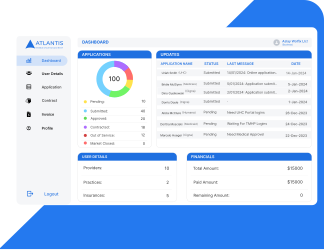
Real-Time Client Report Portal
Access real-time insights into your billing performance with our secure Client Report Portal.Track claims, payments, denials, and KPIs anytime—transparency at your fingertips.
Contact Us