11 KPIs to Track in Your Healthcare Revenue Cycle Management

Efficient healthcare revenue cycle management is the key to financial stability for any medical practice. Tracking the right KPIs ensures smoother medical billing, faster reimbursements, and optimized cash flow. By monitoring critical metrics, healthcare organizations can identify inefficiencies, reduce claim denials, and maximize revenue.
Here are the 11 essential KPIs every practice should focus on to enhance performance and profitability.
How to Use KPIs to Improve Your Healthcare Revenue Cycle Management
Just tracking KPIs is not enough. The real benefit comes when you use them to make smart choices. Looking at numbers like net collection rate, clean claim rate, denial rate, and accounts receivable helps your practice find problems, fix billing issues, and speed up claims.
Using tools, training staff, and checking processes regularly makes your revenue cycle run smoother.
1. Net Collection Rate
The net collection rate measures how much of your expected revenue is actually collected. A rate below 95% indicates inefficiencies in billing and collection processes.
Formula:
Net Collection Rate = (Total Payments Received / Total Allowed Amount) × 100%
Regular audits and proactive follow-ups can help maintain a high net collection rate, ensuring smoother AR Management for your practice.
2. Gross Collection Rate
This KPI shows the ratio of total payments received to total charges billed, without considering contractual adjustments.
Formula:
Gross Collection Rate = (Total Payments Received / Total Charges Billed) × 100%
Low rates may indicate errors in coding or pricing. Tracking gross and net collection rates together provides a complete picture of your Revenue cycle management efficiency.
3. Days in Accounts Receivable (A/R)
Days in A/R measures how long it takes to receive payment after services are rendered.
Formula:
Days in A/R = Total Accounts Receivable / Average Daily Revenue
Reducing A/R days through automated claim submissions and consistent follow-ups improves cash flow and strengthens Claim management processes.
4. Charge Lag
Charge lag is the time between service delivery and entry into the billing system.
Formula:
Charge Lag = Date of Charge Entry − Date of Service
Minimizing charge lag ensures timely billing and faster reimbursements. Integration of EHRs and staff training supports effective Practice management.
5. Clean Claim Rate
The clean claim rate measures the percentage of claims submitted without errors the first time.
Formula:
Clean Claim Rate = (Number of Clean Claims / Total Claims) × 100%
A high clean claim rate reduces rework, speeds up payment, and improves medical billing efficiency. Using claim scrubbing tools and regular coding training helps maintain rates above 95%.
6. Denial Rate
High denial rates signal problems in claims management and reduce revenue. Common causes include coding errors, incomplete documentation, or payer non-compliance.
Formula:
Denial Rate = (Total Denied Claims / Total Claims Submitted) × 100%
Keeping denials under 5% is crucial. Conduct root cause analyses, stay updated on payer policies, and partner with Atlantis RCM to boost collections and reduce denials.
7. Claim Rejection Rate
Claim rejections occur before processing due to incorrect patient info or invalid codes.
Formula:
Claim Rejection Rate = (Number of Rejected Claims / Total Claims Submitted) × 100%
Automation and pre-verification of patient and insurance data minimize rejections, improving overall AR Management.
8. Bad Debt Rate
The bad debt rate measures revenue that remains uncollected after all collection efforts.
Formula:
Bad Debt Rate = (Total Write-offs / Total Accounts Receivable) × 100%
Offering flexible payment options and leveraging collection agencies can reduce financial losses.
9. Revenue Per-Patient Visit
This KPI calculates income per patient interaction, helping to assess efficiency and profitability.
Formula:
Revenue Per-Patient Visit = Total Revenue / Total Number of Patients
Regular fee schedule reviews and accurate coding maximize revenue per visit and strengthen Practice management.
10. Cost to Collect
The cost to collect measures how much is spent to collect every dollar of revenue.
Formula:
Cost to Collect = (Total Cost of Collections / Total Payment Collected)
Automation or outsourcing medical billing to experts like Atlantis RCM reduces costs, improves ROI, and enhances overall Claim management.
11. A/R Aging Analysis
A/R aging analysis categorizes unpaid accounts based on how long they’ve been outstanding.
Formula:
Aged Accounts Receivable Rate = (Outstanding claims in a timeframe / Total outstanding claims) × 100%
Focus on accounts approaching 90+ days overdue to prevent cash flow problems and maintain efficient Revenue cycle management.
Conclusion
Monitoring key healthcare revenue cycle management metrics helps practices reduce lost revenue, improve cash flow, and make billing processes more efficient. By keeping an eye on important KPIs, your team can spot issues early, reduce claim denials, and streamline operations. Even small improvements can make a big difference in financial performance and day-to-day efficiency.
Frequently Asked Questions
Q: What is healthcare revenue cycle management (RCM)?
Ans: Healthcare RCM is the process of managing claims, payments, and revenue generation in medical practices to ensure smooth medical billing and financial stability.
Q: Why are KPIs important in RCM?
Ans: KPIs help track performance, identify inefficiencies, reduce denials, and optimize claim management for better revenue collection.
Q: What is the net collection rate in medical billing?
Ans: Net collection rate measures the percentage of expected revenue actually collected and is critical for efficient AR Management.
Q: How can I reduce claim denials?
Ans: Reducing claim denials requires accurate coding, complete documentation, staff training, and sometimes partnering with experts like Atlantis RCM.
Q: What is the ideal clean claim rate?
Ans: A clean claim rate above 95% ensures faster reimbursements and smoother practice management.
Q: How does A/R aging analysis help?
Ans: A/R aging analysis categorizes unpaid accounts by how long they’ve been outstanding, helping practices prevent cash flow issues and maintain efficient Revenue cycle management.
Q: Can automation improve revenue cycle management?
Ans: Yes, automation streamlines medical billing, reduces errors, minimizes denials, and supports faster reimbursements.
Our Services


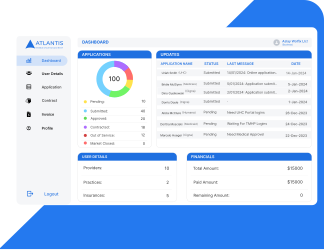
Real-Time Client Report Portal
Access real-time insights into your billing performance with our secure Client Report Portal.Track claims, payments, denials, and KPIs anytime—transparency at your fingertips.
Contact Us