Ambient Clinical Documentation: Reduce Provider Charting Burden

You finish your last patient visit, but your work is not done yet.
Notes, chart updates, and documentation tasks continue after clinic hours, adding pressure to already busy providers. These delays can also affect revenue cycle workflows, from coding accuracy to timely claim processing.
Ambient clinical documentation helps practices reduce documentation workload, improve efficiency, and keep providers focused on patient care.
Why Documentation Is Becoming Harder for Providers
Documentation has always supported quality patient care. It helps providers maintain accurate records and make informed clinical decisions.
But today, documentation involves much more than writing notes. Providers are also managing:
Patient records and chart updates
Compliance requirements
Coding-related details
Electronic health record documentation tasks
The result?
More time spent completing charts after visits and less time available for patient care. Many physicians now carry unfinished documentation into their evenings.
The Hidden Impact of Manual Charting on Healthcare Practices
Manual documentation is not just a time challenge, it affects the way providers experience their entire workday.
“Every minute spent managing paperwork is a minute taken away from meaningful patient care.”
Moving between patient conversations, record updates, and documentation requirements creates constant workflow interruptions.
Over time, this added administrative pressure can contribute to frustration, longer workdays, and increased provider stress. Improving practice management through better workflows and supporting provider burnout reduction strategies are becoming important steps toward creating a more sustainable healthcare environment.
Why Traditional Documentation Methods Are Becoming Challenging
Many practices still rely on manual typing, voice dictation, or transcription services to complete medical notes. These methods can support documentation, but they often require additional provider time for organizing information, correcting details, and finalizing records.
For busy practices, these repeated tasks can slow down the entire healthcare documentation workflow and make daily operations more difficult.
Even after a patient leaves, the documentation process continues.
What Is Ambient Clinical Documentation?
Ambient clinical documentation is a modern healthcare solution that helps providers capture and organize patient visit details without interrupting the natural flow of the conversation.
“The goal is simple: less time spent documenting, more time focused on the patient sitting in front of you.”
Instead of manually creating notes during or after every visit, the technology helps prepare structured clinical documentation.This approach supports clinical note automation by reducing repetitive tasks while keeping providers involved in every final decision.
How Ambient Documentation Works During a Patient Visit
Ambient documentation supports providers throughout the visit by reducing manual note-taking and helping organize important details without disrupting the patient conversation.
Supporting the Conversation Without Interrupting Care
A smoother process can improve the overall patient-provider interaction by allowing providers to be more present during visits.
Allows providers to stay focused on the patient instead of constantly looking at the screen
Captures important visit details in the background
Helps create a more natural and comfortable conversation
Reduces interruptions caused by manual note-taking
Turning Visit Details Into Organized Clinical Notes
This type of automated clinical notes support helps reduce repetitive documentation work and makes completing records more efficient.
Converts key visit information into structured clinical notes
Helps providers avoid starting every note from scratch
Makes reviewing and completing documentation easier
Reduces time spent on repetitive documentation tasks
Keeping Providers in Control of Final Notes
The technology supports the workflow, but clinical responsibility remains with the healthcare professional.
Providers review every note before it becomes part of the medical record
Allows edits and updates when needed
Keeps clinical decisions with the healthcare professional
Supports accuracy while making documentation more efficient
How Ambient Documentation Can Improve the Patient Experience
Healthcare is not only about completing records. It is also about creating meaningful connections with patients.
A smoother documentation process helps improve patient experiences by supporting:
More eye contact and active listening during visits
Better patient-provider communication
Less interruption during conversations
A more comfortable and personal care experience
Stronger trust between patients and providers
Accurate records without losing the human connection
Why More Practices Are Exploring Smarter Documentation Solutions
Healthcare practices are looking for ways to improve efficiency without adding more administrative pressure to providers.
The focus is shifting from simply completing more paperwork to creating workflows that support better patient care.
Solutions like ambient clinical documentation help practices rethink how documentation fits into the provider's day. Instead of allowing charts to follow providers home, the goal is to create a process where documentation becomes easier, faster, and more manageable.
Ambient Documentation vs Traditional Charting: What Has Changed for Providers?

The Difference Between Manual Notes and Modern Documentation Support
Traditional documentation usually requires providers to divide their attention between the patient and the computer.
During a busy clinic day, this can become challenging.
A provider may need to pause the conversation to update the record, search for templates, or make sure required details are included. Modern documentation solutions help reduce these interruptions by assisting with note preparation while the visit continues naturally.
The provider still reviews and approves the information, but the amount of manual effort involved can be reduced.
What Should Providers Look for in an Ambient Documentation Solution?
Choosing the right documentation technology is an important decision for healthcare practices.
Not every solution will fit every workflow.
Providers should consider whether the technology supports their specialty, works smoothly with existing systems, and improves daily operations without creating additional complexity.
Accuracy and Provider Review
Clinical documentation needs to be reliable because accurate notes support better patient care and smoother medical billing processes.
A useful solution should help create clear notes while allowing providers to review, edit, and confirm information before finalizing the record.The purpose of SOAP note automation is not to remove provider involvement.
The provider should always remain involved in the documentation process. Technology should support clinical decisions, not make them.
Smooth EHR Integration
Healthcare providers already work with multiple systems throughout the day. Adding another tool that creates extra steps can reduce the value of any documentation solution.
Strong EHR integration allows documentation tools to work alongside existing systems and helps reduce unnecessary switching between platforms.
The goal is to reduce unnecessary switching between platforms and make documentation fit naturally into the provider's routine.
Privacy and Patient Information Security
Healthcare practices handle sensitive patient information every day.
Any documentation technology must prioritize security, privacy, and compliance requirements. Providers should understand how patient information is handled and ensure that the solution follows appropriate healthcare privacy standards.
Trust is essential when introducing any new technology into a clinical environment.
Can Ambient Documentation Support Different Medical Specialties?
Healthcare providers work in many different specialties, and documentation needs can vary significantly.
A primary care physician may focus on symptoms, medications, and ongoing care plans.
A specialist may require more detailed clinical information related to specific conditions and treatments.The right documentation approach should be flexible enough to support different practice environments.The goal is not a one-size-fits-all solution.It is finding technology that matches the way providers already deliver care.
Does Ambient Documentation Replace Medical Scribes?
Many providers wonder whether documentation technology will replace traditional medical scribes.
The answer is not simply about replacement.
The purpose is to support documentation tasks and reduce the administrative workload involved in creating clinical notes.Some practices may use human support, while others may prefer technology-based solutions depending on their workflow, specialty, and needs.
The important factor is creating a documentation process that allows providers to focus more on patients.
Common Questions Providers Have About Ambient Clinical Documentation
Is Ambient Clinical Documentation Secure for Healthcare Practices?
Security is one of the most important considerations for any healthcare technology.
Providers should choose solutions designed with healthcare privacy requirements, secure data handling, and appropriate access controls.
Before implementation, practices should evaluate how the technology manages patient information.
Will Providers Still Need to Review the Notes?
Yes! Provider review remains an essential part of accurate documentation.
The technology helps prepare the note, but the physician makes the final decision about what information belongs in the patient's record.
This keeps clinical responsibility with the healthcare professional.
Can It Work With Existing Electronic Health Record Systems?
Many modern documentation solutions are designed to work alongside existing EHR platforms.
However, providers should evaluate compatibility before choosing a solution.
A smoother connection with current systems helps prevent workflow disruption and makes adoption easier for staff.
The Future of Healthcare Documentation Is About Supporting Providers
Documentation will always remain a necessary part of healthcare.
The goal is not to remove documentation.
The goal is to make it easier.
For practices looking to improve medical practice efficiency, reduce administrative workload, and identify workflow gaps through a medical billing audit, the right documentation approach can help create smoother operations and better financial performance.
Conclusion
Documentation should support patient care, not take providers away from it. Smarter workflows help practices reduce administrative stress and create more time for patients.
What would your providers do with extra time back in their day?
Atlantis RCM helps practices simplify workflows and reduce administrative burdens.
FAQS:
1. Can Ambient Documentation Handle Specialty-Specific Medical Terms?
Ans: Yes. Modern solutions are designed to recognize clinical conversations across different specialties.Providers should choose a system that matches their specialty workflow and documentation needs.
2. Does Ambient Documentation Reduce the Time Providers Spend on Chart Completion?
Ans: Yes. It helps reduce repetitive note creation by preparing structured documentation for provider review.This allows physicians to spend less time finishing charts after clinic hours.
3. Who Controls the Final Clinical Note? The Provider or the Technology?
Ans: The provider always remains in control of the final documentation.Physicians review, edit, and approve notes before they become part of the patient record.
4. Is Ambient Documentation Useful for Small Medical Practices?
Ans: Yes. Smaller practices can use it to reduce administrative workload without adding more staff pressure.It helps providers manage documentation demands while staying focused on patient care.
Our Services


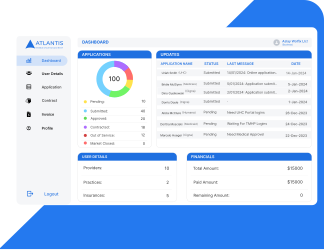
Real-Time Client Report Portal
Access real-time insights into your billing performance with our secure Client Report Portal.Track claims, payments, denials, and KPIs anytime—transparency at your fingertips.
Contact Us