How Florida Medicaid Billing Rules Affect Providers

Florida Medicaid Practices aren’t just fine print they decide whether a provider gets paid on time or left chasing unpaid claims. For practices, every missed deadline or incomplete document can mean weeks of financial stress. And it’s not only about money: delayed reimbursements threaten staff stability, disrupt daily operations, and pull focus away from patient care.
That’s why mastering Florida billing rules isn’t optional; it's the key to steady cash flow, compliance, peace of mind, and long-term growth for any healthcare practice.
The Impact of Florida Billing Rules

At their core, these rules ensure accountability in how healthcare funds are used. But for providers, the administrative demands add complexity that affects daily operations. Florida billing often feels less like a safeguard and more like a barrier, creating challenges that ripple across practice management and patient care.
1. Revenue Stability and Claim Processing
Revenue flow depends on timely claim approvals. Yet strict standards mean even small mistakes can disrupt income. Denied or delayed claims often leave providers scrambling to cover payroll and operational costs. For practices running on thin margins, the consequences are serious. That’s why accuracy and efficiency in every claim submission are essential to survival.
2. Administrative Burden on Providers
The Medicaid billing process in Florida is more than submitting claims; it's a heavy administrative lift. Eligibility checks, prior authorizations, coding reviews, and paperwork consume hours that could otherwise go to patients. Smaller practices, without large billing teams, feel this burden most. Many providers find themselves spending nearly as much time on forms as on actual care.
3. Compliance Pressures and Medicaid Audits in Florida
Florida Medicaid compliance requirements don’t stop at filing claims. Providers face regular state and federal audits, often examining coding accuracy and HIPAA compliance. Medicaid audits in Florida are rigorous, and failure to comply can mean denials, penalties, or even program exclusion. This constant pressure forces practices to stay vigilant and often requires expert compliance support.
4. Provider Reimbursement Challenges
Even with accurate claims, providers face delays. Challenges like complex payer rules and lengthy appeals make it difficult to predict revenue. Uncertainty limits the ability to hire staff or upgrade facilities. Many Florida practices find themselves caught in a recurring cycle submitting, waiting, appealing, and repeating.
5. Medicaid Claim Submission Deadlines
Perhaps the most unforgiving rule is claim submission deadlines. In Florida, providers usually have only 90–120 days to file. Missing this window almost guarantees denial. Even a single oversight can cost thousands in lost revenue. To prevent this, practices need strict tracking systems and professional oversight so that no claim slips through the cracks.
Case Example: A Florida Practice’s Challenge
A small pediatric clinic in Miami thought they were doing everything right, claims coded correctly, submitted on time. But one missing piece kept sinking them: prior authorizations. Denials piled up, cash flow froze, and they had to dip into reserves just to cover salaries.
Then came the shift. The clinic built a Medicaid-focused workflow and outsourced tricky claims. Almost overnight, denials dropped by 30%, payments flowed faster, and doctors finally got back to what mattered caring for kids instead of chasing paperwork.
The results spoke for themselves. Within a few months:
Denials dropped by nearly 30%
Cash flow stabilized
Doctors were able to return their full attention to patients instead of billing disputes
For this small pediatric clinic, the lesson was clear: mastering Florida rules wasn't just about compliance, it was the difference between financial strain and sustainable patient care.
Medicaid Denial Prevention Strategies for Providers
Despite the challenges, providers can take proactive steps to minimize denials and protect revenue. The most effective Medicaid denial prevention practices include;
- Implement Medicaid-specific billing software – Reduces errors and ensures claims meet Florida’s unique requirements.
- Invest in staff training – Keeps teams updated on regulatory changes and filing procedures.
- Conduct regular internal audits – Identifies issues early and strengthens compliance.
- Outsource complex claims – Trusted billing partners handle compliance and denials more efficiently.
Partner with experts like Atlantis RCM – Secures faster reimbursements, reduces denials, and frees providers to focus on patient care.
Regulatory Updates and Compliance Tips
Florida Medicaid rules change often; providers must stay updated;
Subscribe to official bulletins for policy updates.
Join professional workshops to strengthen compliance skills.
Train staff regularly on evolving Medicaid regulations.
Conduct internal audits to catch issues early.
Keep detailed documentation for every patient visit.
Staying informed is key to remaining competitive and compliant.
The Future Outlook for Florida Medicaid Billing
Florida’s Medicaid billing process is on the verge of a digital makeover. With automation, electronic health records, and telehealth reimbursements becoming the norm, billing is moving faster and smarter than ever before. But with new technology comes new rules and providers who don’t keep up risk falling behind.
The next big challenge? Meeting digital documentation standards while staying compliant with shifting state regulations. Practices that invest early in streamlined billing systems and trusted compliance partners won’t just survive these changes they’ll be ahead of the curve, securing faster payments and stronger financial stability in the years to come.
Conclusion
How Florida Medicaid Billing Rules Affect Providers isn’t just paperwork it’s what decides revenue, compliance, and patient care. From tough Medicaid claim submission deadlines to constant reimbursement challenges, the rules can feel overwhelming. But with smart Medicaid denial prevention strategies and expert support, providers can turn obstacles into growth.
👉 Partner with Atlantis RCM to master the Medicaid billing process in Florida and keep your focus where it belongs: on patients.
FAQs
1. What is the deadline for submitting Florida Medicaid claims?
Most claims must be submitted within 90–120 days of the service date. Missing the deadline often results in denials.2. Can providers appeal denied Medicaid claims in Florida?
Yes. Providers can file an appeal with supporting documentation, though the process can be time-consuming without billing support.3. How does outsourcing help with Medicaid billing?
Outsourcing ensures claims are filed accurately and on time, reducing denials and freeing providers to focus on patients.4. Do Florida Medicaid audits happen often?
Yes. Random and targeted audits are common, making documentation accuracy critical.5. How do billing rules affect small practices differently?
Smaller practices often lack dedicated compliance staff, making them more vulnerable to revenue losses from billing errors.6. Are telehealth claims covered by Florida Medicaid?
Yes, but they come with specific coding and documentation requirements that must be followed closely.7. What penalties exist for noncompliance?
Penalties can include claim denials, repayment demands, and in severe cases, exclusion from the Medicaid program.Our Services


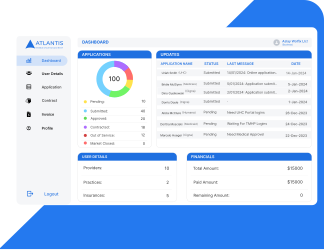
Real-Time Client Report Portal
Access real-time insights into your billing performance with our secure Client Report Portal.Track claims, payments, denials, and KPIs anytime—transparency at your fingertips.
Contact Us