How Patient Engagement Tools Reduce No-Shows & Improve Practice Revenue

Running a medical practice in the U.S. today is no small feat. From managing patient schedules to handling insurance claims, billing, and medical coding, the operational challenges are endless. Patient engagement tools have emerged as the solution many practices didn’t know they needed helping reduce no-shows, improve collections, and reclaim staff time.
Whether you manage a small clinic in Texas or a mid-size practice in New York, modern patients expect convenience. They want to schedule appointments online, access test results instantly, and communicate without being put on hold. If your practice can’t deliver this, you risk losing patients and revenue.
Why Practices Are Shifting to a Digital Front Door
Every day, front desks are swamped. Phone lines ring constantly. Patients call to schedule appointments, ask questions about bills, request prescription refills, or check lab results. It’s overwhelming. Many practices still rely on manual workflows and paper forms, causing delays, errors, and frustrated staff.
This is where a digital front door makes a difference. By allowing patients to handle routine tasks themselves at any time of day practices reduce friction while improving operational efficiency. Clinics that adopt this approach see happier patients, reduced administrative burdens, and better workflow alignment with their EHR systems.
Reducing No-Shows With Smarter Digital Workflows
No-shows are one of the most expensive problems for practices. In a five-provider clinic, missing appointments can easily cost $150,000 a year.
Automated appointment reminders are a simple, yet effective fix. Instead of staff calling every patient manually, reminders via text, email, or voice prompt patients to confirm or reschedule. The best practices schedule reminders strategically: 48 hours, 24 hours, and 2 hours before appointments.
The results are significant:
20–40% fewer no-shows
Faster recovery of cancelled slots
Increased patient commitment before visits
These tools don’t replace your staff; they empower them. Front-desk teams can focus on welcoming patients and managing in-office care, rather than chasing confirmations.
Reducing Phone Volume With a Healthcare Communication Platform
U.S. patients are accustomed to instant communication. Long wait times on the phone frustrate them and burn out staff. A strong healthcare communication platform addresses this by letting patients:
Self-schedule appointments online
Send secure messages to the care team
Access lab results instantly
Submit refill requests without phone calls
Clinics using these platforms report a 30–50% reduction in incoming calls. Staff can dedicate more time to patients in-office rather than administrative tasks, improving both satisfaction and efficiency.
Making Payments Easy With Online Patient Payments
Higher deductibles and rising patient responsibility portions mean practices are collecting more directly from patients which can be tricky.
Online patient payments simplify the process. Patients can:
View outstanding balances clearly
Pay instantly through secure portals
Set up payment plans
Save cards for recurring visits
The impact is tangible: higher collections, fewer billing delays, and reduced manual work for the billing team. When paired with digital check-in, even complex medical billing audits become cleaner and easier to track.
Saving Admin Time With Digital Intake and Automation
Paper forms slow down workflows and increase the risk of errors. Handwritten forms, misfiled insurance cards, and manual data entry eat into staff time — and ultimately, patient care.
Digital intake solves this:
Patients fill forms at home
Insurance cards are captured via phone
Data integrates directly into the EHR
Staff spend less time correcting errors
Front-desk workload can drop by up to 80% on routine registration tasks. That means more time for value-added interactions and smoother Practice Management.
Closing Care Gaps With Smarter Patient Monitoring
Quality scores and reimbursement models increasingly depend on preventive care. But most patients forget about overdue screenings unless someone reminds them.
With AI-driven care management, practices no longer need staff to manually review charts. AI identifies patients with upcoming or overdue needs and sends personalized alerts with the right next steps.
This leads to:
Faster care gap closure
Higher quality scores
Better patient outcomes
Stronger long-term engagement
The combination of automated outreach and human oversight helps practices stay proactive rather than reactive.
Building Continuous Patient Relationships Between Visits
The visit doesn’t end when the patient leaves the room. Maintaining communication between appointments drives trust, adherence, and patient loyalty.
Patient engagement platforms help practices stay connected by offering:
Secure messaging for questions
Lab results with easy explanations
Medication reminders
Tracking for vitals or symptoms
Family or caregiver access
Studies show that patients who regularly use their portal or app are far more likely to follow treatment plans and return for follow-up care.
Delivering a Patient Experience That Matches Modern Expectations
Patients compare healthcare to every other service industry. Banking is online. Shopping is online. Travel is online. They expect the same from their healthcare providers.
With tools like scheduling apps, mobile forms, and digital payments, practices can deliver a modern, consumer-level experience. This not only improves satisfaction, it boosts retention and referrals.
Patient Engagement Tools Are Now Essential for Every Practice
Whether your team manages medical billing and everyday patient workflows, strong patient engagement tools simplify everything. They reduce no-shows, increase collections, improve operational efficiency, and enhance patient satisfaction.
Investing in these tools gives practices a competitive edge operationally, financially, and clinically. The future of care is digital, connected, and patient-centered.
Your choice today will define outcomes tomorrow.
Ready to reduce no-shows and boost clean claims across your U.S. practice?
Connect with Atlantis RCM today and get a smarter billing workflow that actually delivers results.
FAQs
Q1: What are patient engagement tools and why are they important?
Patient engagement tools are digital solutions that help healthcare practices communicate with patients, manage appointments, and streamline administrative tasks. They improve efficiency, reduce no-shows, and support better patient care. Practices using these tools report higher retention and smoother workflows.
Q2: How do automated appointment reminders reduce no-shows?
Automated appointment reminders send patients notifications via text, email, or phone calls before their visit. By making it easy to confirm or reschedule, practices typically see a 20–40% drop in missed appointments, freeing staff to focus on in-office care rather than chasing patients.
Q3: What is a digital front door in healthcare?
A digital front door is a platform that allows patients to manage routine tasks online like scheduling, bill payments, and accessing lab results without calling the office. This improves convenience, reduces phone volume, and creates a modern, patient-friendly experience.
Q4: Can online patient payments improve practice revenue?
Online patient payments make it simple for patients to view balances, pay instantly, or set up payment plans. Practices report higher collection rates, fewer billing delays, and less manual work for staff, helping medical billing and practice management run smoothly.
Q5: How does AI-driven care management help close care gaps?
AI-driven care management identifies overdue screenings, preventive services, or chronic care needs and sends personalized reminders. This proactive approach boosts quality scores, ensures timely care, and keeps patients engaged between visits.
Q6: What features should I look for in a healthcare communication platform?
A strong healthcare communication platform includes secure messaging, appointment scheduling, lab result access, refill requests, and integration with your EHR. It helps reduce phone volume, improves patient experience, and supports staff efficiency.Our Services


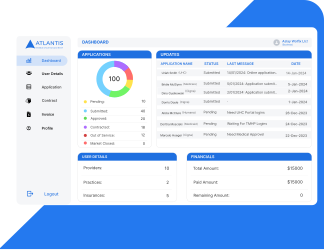
Real-Time Client Report Portal
Access real-time insights into your billing performance with our secure Client Report Portal.Track claims, payments, denials, and KPIs anytime—transparency at your fingertips.
Contact Us